

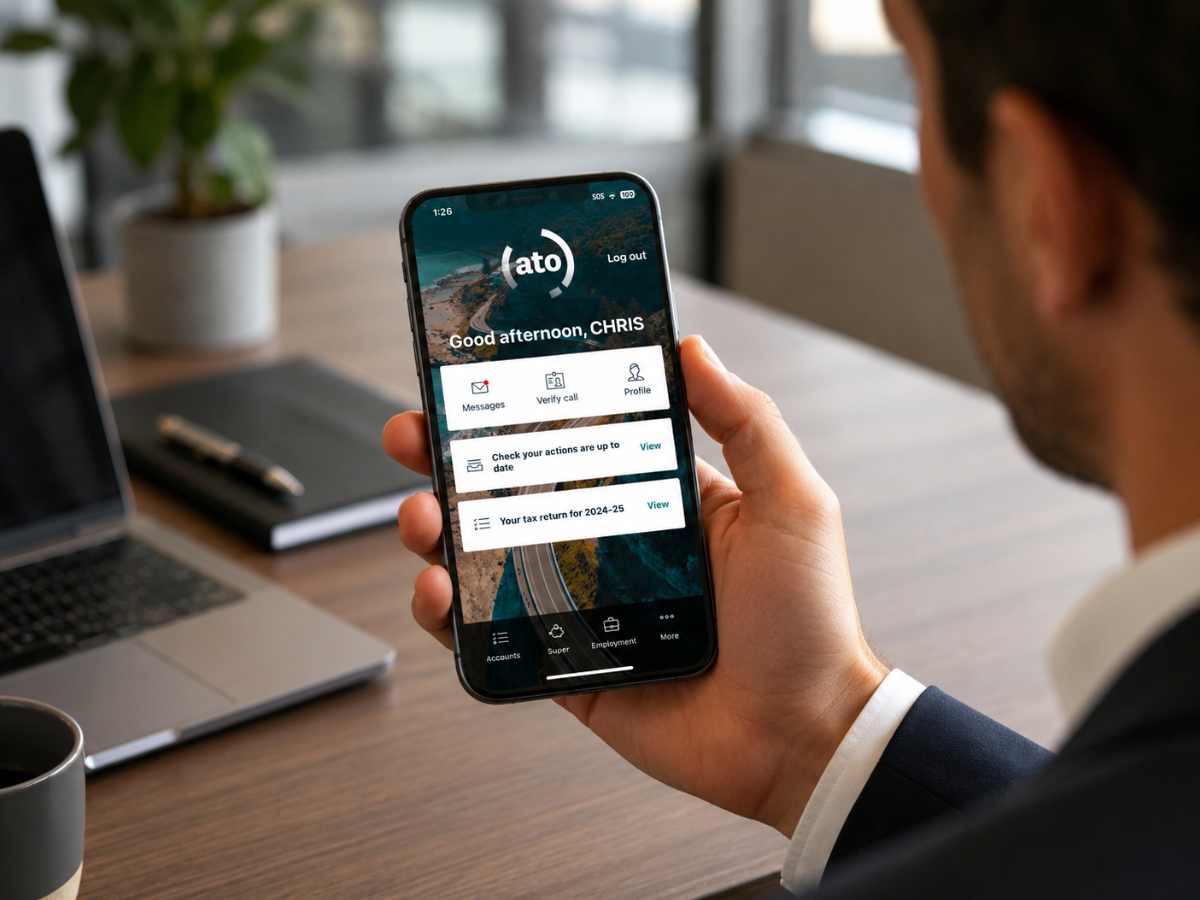
ATO credit card payments will remain available until 30 June 2027, giving businesses and individuals additional time to prepare for the removal of this payment option. However, the extension is temporary, and businesses that rely on credit cards to manage cash flow should start planning for alternative payments methods now.
When will the ATO credit card payments end?
The extension does not cancel the planned withdrawal of direct credit card payments. From 1 July 2027, you will need to use another method to pay the ATO directly. Available alternatives include:
- Debit card
- BPAY
- Bank transfer
- Direct debit
- Payment at Australia Post, where available
- International money transfer services, where applicable
Some third-party payment providers may continue to offer ways to pay tax using a credit card after the deadline. However, these services may charge additional fees and take longer to process payments. Check the total cost, processing time and payment conditions before relying on one. The change will not affect everyone equally. In 2024–25, around 5% of small businesses and just over 2% of individuals used a credit card to pay the ATO. If you are among them, now is a good time to consider how you will manage tax payments once this option is withdrawn.
Why your payment method matters
Credit cards can help bridge short-term cash-flow gaps, but the convenience comes at a cost. Interest, annual fees and other charges can erode the benefit, particularly if you regularly carry a balance. There is also a risk that a payment will not be processed in time, potentially leaving you with an overdue tax liability and additional interest. Switching to BPAY, bank transfer or direct debit may provide a simpler and more predictable way to manage tax payments. The right option will depend on your circumstances, including when funds are available in your business account and whether you need to retain flexibility over payment dates. Pay particular attention if you have an existing ATO payment plan linked to a credit card. The ATO has been contacting affected taxpayers, but you should check your own arrangements rather than assume they will continue unchanged. Confirm how future instalments will be paid and allow enough time to update the payment method before the deadline.
What you should do now
Use the extended timeframe to prepare rather than leaving the change until the last minute.
- Review your current arrangements. Check whether you use a credit card for one-off tax payments, regular instalments or an ATO payment plan.
- Choose an alternative. Consider which payment method best suits your cash-flow cycle, taking account of fees and processing times.
- Update recurring payments early. Make sure any new arrangements are in place well before 30 June 2027 and check that payments are processed successfully.
- Review your cash flow. If you rely on the credit card interest-free period to manage tax liabilities, consider whether you need to set aside funds earlier or adjust your payment planning.
- Seek advice if needed. If tax payments are putting pressure on your cash flow, speak with us early. We can help you review your position and consider practical ways to manage upcoming liabilities.
The extension to 30 June 2027 gives businesses valuable time to adjust. However, planning ahead is essential to avoid unnecessary fees, missed payments and cash flow disruptions.
If you need assistance preparing for the removal of ATO credit card payments, contact the team at Marsh & Partners. We can help you review your cash flow and develop practical strategies to manage your upcoming tax obligations.


